Vegan Post Page 70 - The Dharma Store Skip to main content
FREE SHIPPING IN THE US!

The Dharma Store - Vegan Clothing Brand
The Dharma Store

  • Home
  • Vegan Clothing
  • Vegan Apparel
  • About Us
  • Vegan Blog
  • Vegan Recipes
0
Login
  • Home
  • Vegan Clothing
  • Vegan Apparel
  • About Us
  • Vegan Blog
  • Vegan Recipes
Home Vegan Post

Vegan Post

The Best Vegan Foods for Histamine Balance: Plant-Based Strategies to Support a Calm Immune Response

If you follow a vegan diet and frequently deal with headaches, skin flushing, nasal congestion, digestive discomfort, fatigue, or unexplained reactions to certain foods, histamine balance may be worth exploring.

Histamine is a natural compound produced by the body and found in many foods. It plays important roles in immune function, digestion, and nervous system communication. Problems can arise when histamine accumulates faster than the body can break it down. While many discussions around histamine focus on avoiding foods, nutrition is also about supporting the body's natural ability to process histamine efficiently.

The best vegan foods for histamine balance are often rich in nutrients that support gut health, liver function, antioxidant defenses, and healthy inflammatory responses. Rather than focusing exclusively on restriction, a well-planned plant-based diet can help create a foundation that supports overall wellness.

This guide explores the most beneficial vegan foods for histamine balance, practical meal ideas, and strategies that may help reduce common triggers while maintaining a nutrient-dense plant-based lifestyle.

Understanding Histamine and Why It Matters

Histamine is a chemical messenger involved in several essential bodily functions.

It helps regulate:

  • Immune responses
  • Stomach acid production
  • Sleep-wake cycles
  • Blood vessel function
  • Communication between nerve cells

Normally, enzymes such as diamine oxidase (DAO) and histamine-N-methyltransferase help break down excess histamine. When histamine accumulates, some people experience symptoms that resemble allergies even when no true allergy exists.

Common symptoms associated with histamine imbalance include:

  • Headaches
  • Facial flushing
  • Itchy skin
  • Digestive upset
  • Nasal congestion
  • Fatigue
  • Dizziness
  • Brain fog
  • Sleep disturbances

While diet is only one piece of the puzzle, food choices can significantly influence histamine production, breakdown, and overall inflammatory load.

Why Histamine Balance Can Be Challenging for Vegans

Many people assume a vegan diet automatically supports histamine regulation. While plant-based diets offer many advantages, certain popular vegan foods are naturally high in histamine or may encourage histamine release.

Examples include:

  • Fermented foods
  • Sauerkraut
  • Kombucha
  • Tempeh
  • Vinegar-heavy foods
  • Aged products
  • Some processed vegan meats

At the same time, a vegan diet can provide abundant nutrients that support the body's natural histamine-clearing pathways when carefully planned.

The goal is not necessarily eliminating foods forever. Instead, many people benefit from emphasizing supportive foods while identifying personal triggers.

The Best Vegan Foods for Histamine Balance

Fresh Leafy Greens

Leafy greens are among the most nutrient-dense foods available and are often well tolerated by individuals seeking histamine-friendly options.

Excellent choices include:

  • Kale
  • Romaine lettuce
  • Arugula
  • Collard greens
  • Swiss chard

These vegetables provide:

  • Folate
  • Magnesium
  • Vitamin C
  • Antioxidants

Magnesium supports nervous system regulation, while antioxidants help counter oxidative stress that may accompany chronic inflammation.

Freshly prepared greens generally work better than greens that have been sitting in the refrigerator for extended periods.

Blueberries

Blueberries are frequently highlighted for their antioxidant content and may fit well into many low-histamine vegan eating patterns.

Benefits include:

  • Polyphenols
  • Vitamin C
  • Fiber
  • Support for gut health

A healthy gut environment plays an important role in histamine regulation because certain gut bacteria can influence histamine production.

Adding blueberries to oatmeal, smoothies, or chia pudding provides a simple way to increase antioxidant intake.

Apples

Apples contain beneficial plant compounds that may support healthy inflammatory responses.

They offer:

  • Soluble fiber
  • Vitamin C
  • Polyphenols
  • Gut-supportive nutrients

Fiber helps nourish beneficial gut bacteria, which may contribute to improved digestive health and overall immune function.

Fresh apples make an excellent snack for individuals looking for naturally low-histamine plant foods.

Broccoli and Cruciferous Vegetables

Broccoli is one of the most valuable vegetables for supporting overall wellness.

It contains compounds that support:

  • Liver function
  • Antioxidant production
  • Hormone metabolism
  • Cellular health

The liver plays a significant role in processing various compounds throughout the body, including those involved in inflammatory pathways.

Other beneficial cruciferous vegetables include:

  • Cauliflower
  • Brussels sprouts
  • Cabbage
  • Bok choy

Fresh preparation is typically preferred over heavily processed versions.

Fresh Herbs

Fresh herbs can provide concentrated amounts of beneficial plant compounds without adding substantial histamine load.

Helpful options include:

  • Parsley
  • Cilantro
  • Basil
  • Mint

These herbs contribute antioxidants while enhancing flavor, making them useful additions to salads, grain bowls, soups, and vegetable dishes.

Plant-Based Protein Sources for Histamine Balance

Lentils

Lentils provide an excellent source of plant protein and fiber.

Benefits include:

  • Steady energy support
  • Iron
  • Folate
  • Magnesium
  • Gut-supportive fiber

For some individuals with significant histamine sensitivity, freshly cooked lentils may be better tolerated than leftovers stored for several days.

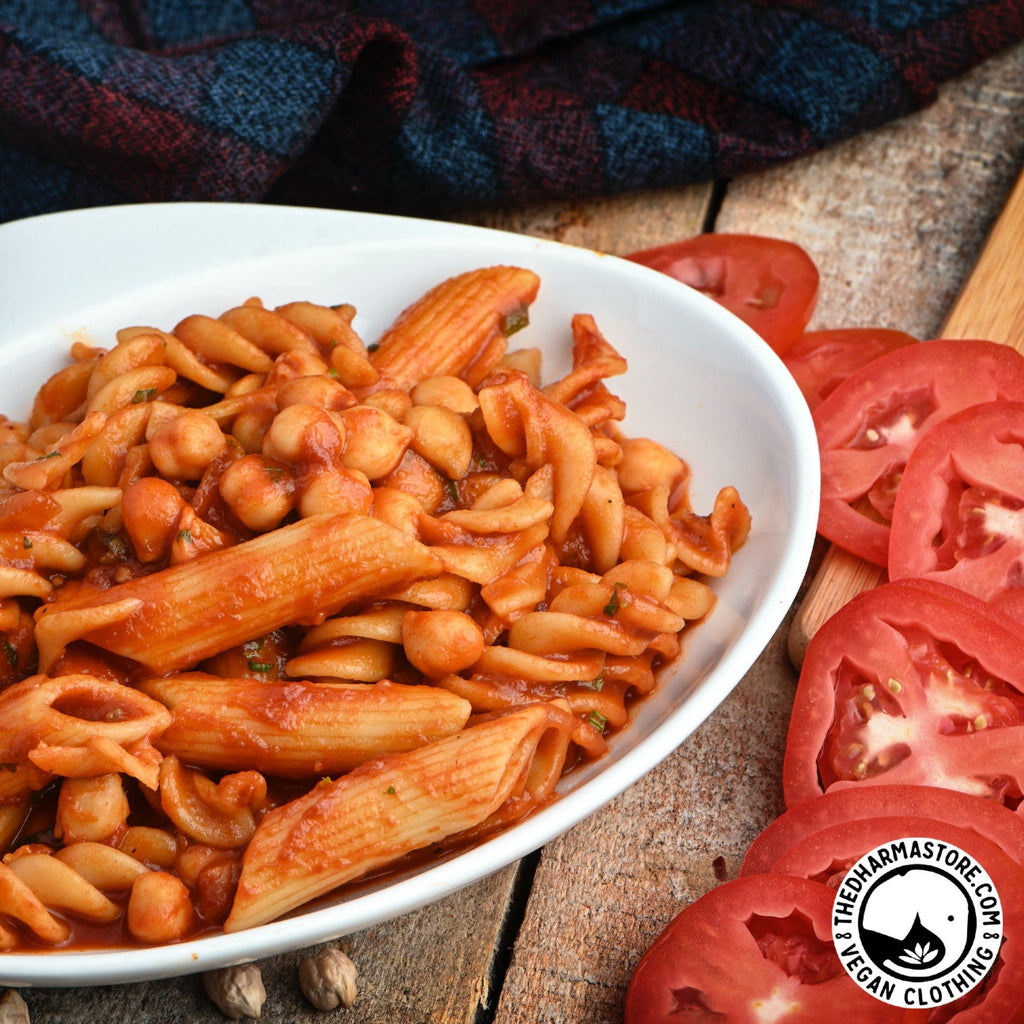
Chickpeas

Chickpeas are versatile, satisfying, and rich in nutrients that support overall wellness.

They provide:

  • Protein
  • Fiber
  • Manganese
  • Folate

Roasted chickpeas, hummus made from fresh ingredients, and chickpea salads can be valuable additions to a balanced vegan meal plan.

Hemp Seeds

Hemp seeds offer a unique combination of nutrients.

They contain:

  • Protein
  • Magnesium
  • Zinc
  • Healthy fats

Healthy fats play an important role in cell membrane function and inflammatory balance.

Sprinkling hemp seeds onto oatmeal, salads, or smoothie bowls is an easy way to increase nutrient density.

Healthy Fats That Support Histamine Balance

Extra Virgin Olive Oil

Olive oil is a cornerstone of many anti-inflammatory eating patterns.

It provides:

  • Monounsaturated fats
  • Polyphenols
  • Antioxidants

Using olive oil in salad dressings or drizzling it over cooked vegetables can help support overall wellness while enhancing nutrient absorption.

Avocados

Avocados can be tolerated differently among individuals.

Many people do well with fresh avocados, while others may find them problematic.

For those who tolerate them, avocados provide:

  • Potassium
  • Fiber
  • Healthy fats
  • Magnesium

Keeping a food journal can help determine individual responses.

Flaxseeds

Ground flaxseeds offer several benefits.

They provide:

  • Omega-3 fatty acids
  • Fiber
  • Lignans

Omega-3 fats support healthy inflammatory responses and may complement a histamine-supportive nutrition strategy.

Nutrients That Support Histamine Regulation

Vitamin C

Vitamin C plays multiple roles in immune and antioxidant function.

Vegan foods rich in vitamin C include:

  • Bell peppers
  • Kiwi
  • Broccoli
  • Strawberries
  • Leafy greens

Many individuals seeking histamine balance prioritize foods naturally rich in this nutrient.

Magnesium

Magnesium supports:

  • Nervous system function
  • Muscle relaxation
  • Energy production
  • Stress resilience

Good vegan sources include:

  • Pumpkin seeds
  • Hemp seeds
  • Black beans
  • Leafy greens
  • Quinoa

Copper

Copper supports enzymes involved in various metabolic functions.

Vegan sources include:

  • Cashews
  • Sesame seeds
  • Sunflower seeds
  • Mushrooms

Maintaining adequate copper intake is one component of supporting healthy physiological processes.

Gut Health and Histamine Balance

Why the Gut Matters

The digestive system plays a major role in histamine regulation.

Certain gut bacteria can produce histamine, while others may help support balance.

Factors that can disrupt gut health include:

  • Chronic stress
  • Poor sleep
  • Highly processed diets
  • Excessive alcohol intake
  • Certain medications

Supporting gut health often becomes a central strategy for individuals dealing with recurring histamine-related symptoms.

Fiber-Rich Vegan Foods

Fiber helps nourish beneficial bacteria.

Excellent sources include:

  • Oats
  • Lentils
  • Beans
  • Apples
  • Pears
  • Vegetables

A diverse intake of fiber-rich foods supports microbial diversity, which is associated with overall digestive wellness.

Foods Some People May Need to Evaluate

Histamine responses are highly individual.

Common foods that may trigger symptoms in sensitive individuals include:

  • Fermented foods
  • Alcohol
  • Vinegar
  • Aged products
  • Certain processed foods
  • Some plant-based meat alternatives

This does not mean these foods are unhealthy. It simply means that people experiencing histamine-related symptoms may benefit from observing how they personally respond.

Working with a qualified healthcare professional can help identify specific triggers without creating unnecessary dietary restrictions.

Sample Day of Vegan Eating for Histamine Balance

Breakfast

Fresh oatmeal topped with:

  • Blueberries
  • Hemp seeds
  • Chopped apple
  • Cinnamon

Mid-Morning Snack

Pear slices with pumpkin seeds.

Lunch

Quinoa bowl featuring:

  • Fresh kale
  • Roasted broccoli
  • Chickpeas
  • Olive oil dressing
  • Fresh parsley

Afternoon Snack

Fresh cucumber and carrot sticks.

Dinner

Lentil and vegetable stew served with steamed greens and brown rice.

Evening Option

Herbal tea and a small serving of blueberries.

This approach emphasizes nutrient density, fiber, antioxidants, and fresh ingredients.

Lifestyle Factors That Influence Histamine Balance

Food is important, but it is only part of the equation.

Stress Management

Chronic stress can influence immune function and inflammatory responses.

Helpful practices include:

  • Walking
  • Meditation
  • Breathwork
  • Yoga
  • Time outdoors

Many people who embrace plant-based living find that mindfulness practices align naturally with their wellness goals. Communities such as The Dharma Store often celebrate this connection between compassion, conscious living, and holistic well-being.

Sleep Quality

Poor sleep may worsen inflammation and immune dysregulation.

Aim for:

  • Consistent sleep schedules
  • Limited screen exposure before bed
  • A cool sleeping environment
  • Adequate nighttime rest

Regular Movement

Physical activity supports:

  • Circulation
  • Metabolic health
  • Stress reduction
  • Digestive function

Even moderate daily movement can contribute to overall wellness.

Signs Your Histamine-Supportive Diet Is Working

People often report improvements such as:

  • Better digestion
  • Fewer headaches
  • Improved energy
  • Reduced skin irritation
  • Better sleep quality
  • More stable mood

Changes typically occur gradually rather than overnight.

Consistency often matters more than perfection.

FAQ

What are the best vegan foods for histamine balance?

Fresh vegetables, leafy greens, blueberries, apples, broccoli, lentils, chickpeas, hemp seeds, flaxseeds, and olive oil are among the most commonly recommended vegan foods for supporting histamine balance.

Can a vegan diet help histamine intolerance?

A carefully planned vegan diet may support overall health, gut function, and inflammation management. Individual tolerance varies, so identifying personal triggers remains important.

Are fermented vegan foods high in histamine?

Many fermented foods naturally contain higher amounts of histamine. Some individuals tolerate them well, while others may experience symptoms.

Does gut health affect histamine levels?

Yes. The gut microbiome can influence histamine production and breakdown. Supporting digestive health may play an important role in managing symptoms.

What nutrients support healthy histamine metabolism?

Vitamin C, magnesium, copper, antioxidants, and fiber-rich foods are often emphasized as part of a balanced nutrition approach that supports overall histamine regulation.

Can stress make histamine symptoms worse?

Stress may influence immune function and inflammatory responses, potentially contributing to symptom flare-ups in susceptible individuals.


The information in this article is for educational purposes only and should not be considered medical advice. Always consult a qualified healthcare professional regarding dietary or health concerns.

Continue reading

Why Vegan Men Wake Up Feeling Unrested Despite Sleeping Well

You go to bed at a reasonable hour. You get seven, eight, or even nine hours of sleep. Yet when the alarm goes off, you feel like you barely slept at all.

For many vegan men, this experience can be confusing and frustrating. You may assume the issue is stress, aging, a demanding schedule, or poor sleep habits. Sometimes those factors play a role. In other cases, however, the problem may have more to do with nutrition, recovery, blood sugar regulation, hormone balance, or overall dietary quality than with the number of hours spent in bed.

If you've been searching for answers about why vegan men wake up feeling unrested despite sleeping well, you're not alone. Morning fatigue, non-restorative sleep, brain fog, and low motivation are common concerns among people who otherwise appear to be getting enough rest.

The good news is that identifying the underlying cause often leads to meaningful improvements in energy, mental clarity, and overall wellness. Understanding how a vegan diet influences sleep recovery can help you make practical changes that support both nighttime rest and daytime performance.

What Does It Mean to Feel Unrested After Sleeping?

Feeling unrested means that sleep is occurring, but recovery is not happening efficiently.

Common symptoms include:

  • Waking up tired every morning
  • Needing caffeine immediately after waking
  • Brain fog during the first few hours of the day
  • Heavy limbs or sluggishness
  • Low motivation
  • Difficulty focusing
  • Feeling like sleep was "light" even when it lasted several hours

Many people assume the solution is simply more sleep. In reality, sleep quality, nutrient status, metabolic health, and nervous system balance often matter just as much.

Why Vegan Men May Experience Morning Fatigue

A well-planned vegan diet can support excellent energy levels. However, some vegan men unintentionally develop nutritional gaps that affect recovery, hormone function, and cellular energy production.

Several factors deserve attention.

Inadequate Total Calorie Intake

One of the most overlooked causes of waking up tired on a vegan diet is simply not eating enough.

Plant foods are often rich in fiber and water, which can increase fullness while lowering overall calorie intake.

Many active men underestimate how much food they actually need.

Signs of under-eating may include:

  • Waking up exhausted
  • Afternoon crashes
  • Persistent hunger
  • Difficulty building muscle
  • Reduced exercise recovery

If your body spends the night compensating for insufficient energy intake, you may wake up feeling depleted rather than restored.

Low Protein Intake

Protein supports overnight repair processes.

While many vegan men meet basic protein requirements, some fall short of optimal intake for recovery and muscle maintenance.

Protein contributes to:

  • Tissue repair
  • Hormone production
  • Neurotransmitter formation
  • Muscle recovery
  • Satiety

Low protein intake may contribute to feeling physically tired despite adequate sleep duration.

Good vegan protein sources include:

  • Tofu
  • Tempeh
  • Lentils
  • Edamame
  • Beans
  • Seitan
  • Hemp seeds
  • Soy milk

Blood Sugar Fluctuations and Morning Exhaustion

The Overnight Blood Sugar Connection

Blood sugar stability plays a major role in sleep quality.

Some vegan diets contain large amounts of carbohydrates but insufficient protein, healthy fats, or fiber balance.

This can lead to:

  • Blood sugar spikes
  • Blood sugar drops
  • Nighttime stress hormone release
  • Interrupted recovery

Even if you do not remember waking during the night, fluctuations in blood sugar may reduce restorative sleep quality.

Signs Blood Sugar May Be Affecting Sleep

Potential clues include:

  • Waking hungry
  • Early morning awakenings
  • Night sweats
  • Morning headaches
  • Irritability upon waking
  • Energy crashes later in the day

Balancing meals with protein, fiber, and healthy fats often improves overnight stability.

Nutrient Deficiencies That May Affect Sleep Recovery

Vitamin B12 Insufficiency

Vitamin B12 is one of the most important nutrients for vegan men.

Low levels may contribute to:

  • Fatigue
  • Weakness
  • Brain fog
  • Poor concentration
  • Reduced stamina

Because B12 supports red blood cell production and nervous system function, inadequate intake can significantly affect energy levels.

Iron Status

Many people associate iron concerns primarily with women, but men can experience low iron status as well.

Low iron may contribute to:

  • Morning exhaustion
  • Reduced endurance
  • Mental fatigue
  • Shortness of breath during activity

Even when iron levels remain within laboratory reference ranges, suboptimal iron stores may influence energy.

Magnesium

Magnesium supports hundreds of biochemical reactions throughout the body.

It plays a role in:

  • Muscle relaxation
  • Sleep quality
  • Nervous system regulation
  • Energy production

Low magnesium intake may contribute to restless sleep and poor recovery.

Excellent vegan sources include:

  • Pumpkin seeds
  • Black beans
  • Almonds
  • Spinach
  • Cashews

Zinc

Zinc supports hormone production, immune function, and recovery.

Low zinc intake may contribute to:

  • Fatigue
  • Poor recovery
  • Reduced testosterone production
  • Lower resilience to stress

Foods rich in zinc include legumes, pumpkin seeds, oats, and hemp seeds.

The Role of Hormone Health

Testosterone and Energy

Many men searching for answers about waking up tired despite sleeping well overlook hormone health.

Testosterone helps regulate:

  • Energy
  • Recovery
  • Motivation
  • Muscle maintenance
  • Mood

A nutrient-poor vegan diet may indirectly affect hormonal health if calorie intake, protein intake, zinc intake, or overall nutrition become inadequate.

Cortisol Dysregulation

Cortisol follows a natural daily rhythm.

Normally, cortisol rises in the morning to promote wakefulness.

However, chronic stress can disrupt this pattern.

Potential symptoms include:

  • Feeling exhausted upon waking
  • Feeling energized late at night
  • Afternoon fatigue
  • Difficulty managing stress

This pattern often leaves men feeling tired in the morning but alert when bedtime arrives.

Why Sleep Quantity Isn't the Same as Sleep Quality

Eight hours of sleep does not automatically equal eight hours of recovery.

Several factors can reduce sleep quality:

Late-Night Eating

Heavy meals close to bedtime may interfere with overnight recovery.

Some people experience:

  • Poor digestion
  • Increased body temperature
  • Disrupted sleep cycles

Alcohol Consumption

Even moderate alcohol intake may reduce restorative sleep quality.

Excess Evening Screen Exposure

Blue light exposure can affect melatonin production and sleep architecture.

Chronic Stress

Persistent mental stress often prevents the nervous system from entering deeper restorative states.

The Nervous System Connection

Sympathetic Nervous System Dominance

Many men spend their days in a constant state of stimulation.

Work demands, financial stress, social pressures, and digital overload can keep the body in a heightened stress response.

Signs include:

  • Racing thoughts
  • Difficulty relaxing
  • Light sleep
  • Morning fatigue
  • Feeling wired but tired

Supporting the Parasympathetic Nervous System

The parasympathetic nervous system promotes rest, recovery, and healing.

Helpful habits include:

  • Walking outdoors
  • Deep breathing
  • Meditation
  • Yoga
  • Consistent sleep schedules
  • Reduced evening screen exposure

These strategies support more restorative sleep without requiring additional hours in bed.

Could Your Vegan Diet Be Too Processed?

Not all vegan diets are nutritionally equivalent.

Some people rely heavily on:

  • Vegan desserts
  • Packaged snacks
  • Refined grains
  • Meat substitutes
  • Sugary beverages

A highly processed vegan diet may provide enough calories while still falling short in essential nutrients.

Signs that dietary quality may be contributing to fatigue include:

  • Frequent cravings
  • Energy crashes
  • Poor workout recovery
  • Persistent hunger
  • Brain fog

Whole-food plant-based nutrition often supports more stable energy throughout the day.

Best Vegan Foods for Better Morning Energy

Legumes

Beans, lentils, and peas provide protein, iron, fiber, and minerals.

Soy Foods

Tofu, tempeh, edamame, and soy milk support protein intake and recovery.

Leafy Greens

Spinach, kale, and collards provide magnesium, folate, and antioxidants.

Nuts and Seeds

Pumpkin seeds, hemp seeds, walnuts, and almonds support mineral intake and healthy fats.

Whole Grains

Oats, quinoa, and brown rice provide steady energy and support blood sugar stability.

Colorful Vegetables

Phytonutrients help support overall cellular health and recovery.

A Sample Day for Better Recovery

Breakfast

  • Oatmeal with hemp seeds
  • Soy milk
  • Blueberries
  • Walnuts

Lunch

  • Lentil bowl
  • Quinoa
  • Mixed vegetables
  • Tahini dressing

Snack

  • Apple with almond butter

Dinner

  • Tempeh stir-fry
  • Brown rice
  • Broccoli
  • Bell peppers

Evening

  • Herbal tea
  • Screen-free wind-down routine

This type of eating pattern supports blood sugar stability, nutrient intake, and overnight recovery.

Lifestyle Habits That Improve Morning Energy

Nutrition is important, but it is only one piece of the puzzle.

Consider evaluating:

Hydration

Even mild dehydration can contribute to morning fatigue.

Physical Activity

Regular movement improves sleep quality and energy regulation.

Sleep Consistency

Going to bed and waking at similar times each day supports circadian rhythm health.

Recovery Time

Many men prioritize productivity but neglect recovery.

Intentional downtime can improve both sleep quality and daytime energy.

For those who value mindfulness, compassionate living, and plant-based wellness, resources and apparel from The Dharma Store often align with the broader lifestyle habits that support long-term health.

When to Seek Professional Evaluation

Persistent fatigue should not be ignored.

Consider speaking with a healthcare professional if you experience:

  • Ongoing exhaustion despite lifestyle improvements
  • Severe brain fog
  • Significant exercise intolerance
  • Unexplained weight changes
  • Chronic sleep issues

Laboratory testing may help identify nutrient deficiencies or other underlying causes.

FAQ

Why do vegan men wake up tired after eight hours of sleep?

Possible causes include low calorie intake, nutrient deficiencies, blood sugar fluctuations, stress, hormone imbalances, or poor sleep quality despite adequate sleep duration.

Can a vegan diet cause non-restorative sleep?

A poorly planned vegan diet may contribute to fatigue and reduced recovery if important nutrients such as vitamin B12, iron, zinc, protein, or magnesium are lacking.

What nutrient deficiencies make vegans feel tired?

Common contributors include vitamin B12, iron, zinc, magnesium, omega-3 fatty acids, and insufficient protein intake.

Why do I feel exhausted in the morning but energized at night?

This pattern may be linked to stress, cortisol dysregulation, circadian rhythm disruption, or inconsistent sleep habits.

What are the best vegan foods for morning energy?

Legumes, tofu, tempeh, oats, leafy greens, nuts, seeds, and whole grains provide nutrients that support stable energy and recovery.

Can low protein cause morning fatigue?

Yes. Inadequate protein intake may impair overnight recovery, muscle repair, neurotransmitter production, and overall energy levels.

Final Thoughts

When vegan men wake up feeling unrested despite sleeping well, the issue is often more complex than sleep duration alone. Nutrition quality, protein intake, blood sugar regulation, micronutrient status, stress levels, hormone health, and nervous system balance all influence how refreshed you feel in the morning.

A well-planned vegan diet built around whole foods, adequate calories, diverse protein sources, and nutrient-dense ingredients can support better recovery, clearer thinking, and more consistent energy. Small improvements in both nutrition and lifestyle habits often create noticeable changes in how rested and energized you feel each day.

The information in this article is for educational purposes only and should not be considered medical advice. Always consult a qualified healthcare professional regarding dietary or health concerns.

Continue reading

Why Vegan Women Feel Exhausted Before Their Period Even With Normal Iron Levels

If you follow a vegan diet and find yourself completely drained in the week before your period, you're not alone. Many women assume low iron must be the culprit. Yet plenty of vegan women experience significant fatigue, brain fog, low motivation, and sluggishness even when blood tests show normal iron levels.

This can be frustrating. You eat iron-rich foods, monitor your health, and still feel like your energy disappears every month.

The reality is that premenstrual fatigue is often influenced by multiple factors beyond iron status. Hormonal fluctuations, blood sugar instability, magnesium needs, inflammation, sleep quality, nutrient intake, and stress all play important roles in how energized you feel during the luteal phase of your cycle.

Understanding these underlying causes can help vegan women identify nutritional gaps, support hormone balance, and reduce the exhaustion that often appears before menstruation.

Understanding Premenstrual Fatigue on a Vegan Diet

Premenstrual fatigue typically develops during the luteal phase, which begins after ovulation and ends when menstruation starts.

During this time, progesterone levels rise significantly. Estrogen also fluctuates. These hormonal changes influence:

  • Energy production
  • Blood sugar regulation
  • Mood
  • Sleep quality
  • Appetite
  • Fluid balance
  • Stress response

Even when iron stores are healthy, these shifts can leave women feeling physically and mentally exhausted.

Many vegan women search for answers because they experience:

  • Extreme tiredness before their period
  • Difficulty concentrating
  • Afternoon energy crashes
  • Increased cravings
  • Reduced exercise performance
  • Low motivation
  • Feeling sleepy despite adequate rest

Iron may contribute in some cases, but it is rarely the only factor.

How Hormonal Changes Affect Energy Levels

One of the most overlooked reasons vegan women feel exhausted before their period is the natural hormonal transition that occurs during the second half of the menstrual cycle.

Progesterone Can Increase Feelings of Fatigue

Progesterone is often called the calming hormone. As levels rise after ovulation, many women experience:

  • Increased sleepiness
  • Lower motivation
  • Reduced stamina
  • Slower recovery from stress

For some women, this calming effect feels more like complete exhaustion.

The body is working harder during this phase, and energy demands often increase slightly. This means your nutritional needs may be higher than usual.

Estrogen Begins to Decline

Estrogen supports several functions related to energy and mood.

Healthy estrogen levels help influence:

  • Dopamine production
  • Mental clarity
  • Motivation
  • Physical vitality

As estrogen starts declining before menstruation, many women notice:

  • Brain fog
  • Low mood
  • Reduced productivity
  • Increased fatigue

This transition can feel particularly intense if overall nutrition is lacking.

Blood Sugar Swings Are a Common Hidden Cause

Many vegan women consume diets rich in healthy carbohydrates. While carbohydrates are important, meal composition matters.

Blood sugar fluctuations can contribute significantly to premenstrual exhaustion.

Why Blood Sugar Becomes More Important Before Your Period

During the luteal phase, some women become slightly less sensitive to insulin. This means blood sugar may fluctuate more easily.

A breakfast consisting solely of fruit or oatmeal without enough protein and fat might lead to:

  • Mid-morning fatigue
  • Irritability
  • Cravings
  • Afternoon crashes

When this pattern repeats throughout the day, exhaustion can become much more noticeable.

Signs Blood Sugar Is Contributing to Fatigue

You may benefit from evaluating meal balance if you experience:

  • Energy crashes between meals
  • Strong sugar cravings
  • Afternoon sleepiness
  • Mood swings
  • Feeling shaky when hungry

Including protein, fiber, and healthy fats with every meal often helps support more stable energy.

Magnesium Needs May Increase Before Menstruation

Magnesium is one of the most important minerals for women's health, yet many people fail to consume enough.

For vegan women experiencing fatigue before their period, magnesium deserves special attention.

How Magnesium Supports Energy

Magnesium plays a role in hundreds of biochemical reactions, including:

  • Energy production
  • Muscle relaxation
  • Stress regulation
  • Sleep quality
  • Nervous system function

Low magnesium intake may contribute to:

  • Fatigue
  • Muscle tension
  • Headaches
  • Poor sleep
  • Irritability

Vegan Sources of Magnesium

Excellent plant-based sources include:

  • Pumpkin seeds
  • Hemp seeds
  • Almonds
  • Cashews
  • Black beans
  • Lentils
  • Spinach
  • Swiss chard
  • Dark chocolate

Consistently including these foods throughout the month may support better energy before menstruation.

Poor Sleep Quality Often Gets Overlooked

Many women sleep eight hours but still wake up exhausted before their period.

Hormonal changes can affect sleep quality in several ways.

Common Sleep Changes During the Luteal Phase

Women frequently report:

  • More nighttime awakenings
  • Restless sleep
  • Vivid dreams
  • Increased body temperature
  • Difficulty falling asleep

Even minor disruptions can accumulate over several nights.

As a result, fatigue may appear even if total sleep duration seems adequate.

Nutritional Factors That Influence Sleep

Several nutrients commonly discussed in vegan nutrition affect sleep quality:

  • Magnesium
  • Vitamin B6
  • Potassium
  • Calcium
  • Tryptophan-containing foods

Balanced evening meals often support better overnight recovery than meals high in refined carbohydrates alone.

Inflammation Can Increase Energy Drain

Low-grade inflammation may contribute to feeling exhausted before menstruation.

The menstrual cycle naturally involves inflammatory processes. For some women, inflammation becomes more noticeable during the days leading up to their period.

Symptoms Associated With Increased Inflammation

Common signs include:

  • Fatigue
  • Joint discomfort
  • Headaches
  • Breast tenderness
  • Water retention
  • Mood changes

Anti-Inflammatory Vegan Foods

Many whole plant foods contain compounds that support a healthy inflammatory response:

  • Berries
  • Leafy greens
  • Walnuts
  • Chia seeds
  • Flaxseeds
  • Broccoli
  • Brussels sprouts
  • Sweet potatoes

A diet centered around minimally processed plant foods may help reduce some premenstrual symptoms.

Are You Eating Enough Protein?

Protein intake is another frequently overlooked factor.

Some vegan women consume adequate calories but fall short on protein.

Why Protein Matters Before Your Period

Protein provides amino acids used to support:

  • Hormone production
  • Neurotransmitter synthesis
  • Muscle repair
  • Energy regulation

When protein intake is low, symptoms may include:

  • Increased fatigue
  • Greater hunger
  • Slower recovery
  • Reduced mental focus

Protein-Rich Vegan Foods

Helpful options include:

  • Tofu
  • Tempeh
  • Edamame
  • Lentils
  • Chickpeas
  • Black beans
  • Seitan
  • Soy milk
  • Hemp seeds

Distributing protein evenly throughout the day often works better than concentrating it in one meal.

B Vitamins and Energy Production

Many people associate fatigue solely with iron, but B vitamins are equally important.

Key B Vitamins for Energy

Several B vitamins help convert food into usable energy:

  • Vitamin B1
  • Vitamin B2
  • Vitamin B3
  • Vitamin B6
  • Folate
  • Vitamin B12

When intake is inadequate, energy production may suffer.

Why Vegan Women Should Pay Attention to B12

Vitamin B12 deserves special attention because it is not reliably available in unfortified plant foods.

Low B12 status can contribute to:

  • Fatigue
  • Weakness
  • Brain fog
  • Poor concentration

Women experiencing persistent exhaustion should ensure their B12 intake is appropriate.

Stress Can Amplify Premenstrual Exhaustion

Many women notice fatigue becomes significantly worse during stressful periods.

This isn't a coincidence.

The Connection Between Stress and Energy

Stress influences:

  • Cortisol production
  • Sleep quality
  • Appetite
  • Blood sugar regulation
  • Recovery capacity

During the luteal phase, the body may become more sensitive to stressors.

A busy work schedule, emotional strain, or inadequate recovery can make premenstrual fatigue feel much more intense.

Supporting Stress Resilience Through Nutrition

Foods that support nervous system function include:

  • Oats
  • Beans
  • Lentils
  • Pumpkin seeds
  • Walnuts
  • Leafy greens
  • Avocados

Combining good nutrition with mindfulness practices often provides additional benefits.

Many women who embrace plant-based living also appreciate the mindful lifestyle promoted by The Dharma Store, which encourages compassion, wellness, and intentional living.

Could Low Omega-3 Intake Be Playing a Role?

Omega-3 fats support both brain health and inflammation regulation.

While vegan diets often contain healthy fats, omega-3 intake may still be suboptimal.

Important Vegan Omega-3 Sources

Plant-based options include:

  • Ground flaxseed
  • Chia seeds
  • Hemp seeds
  • Walnuts

Regular consumption may support:

  • Mood stability
  • Cognitive function
  • Hormonal balance
  • Healthy inflammatory responses

This becomes especially important during the days leading up to menstruation.

Nutrient-Dense Foods That Support Energy Before Your Period

If you're wondering what to eat when experiencing premenstrual fatigue, focus on nutrient density rather than restrictive dieting.

Breakfast Ideas

  • Tofu scramble with vegetables
  • Oatmeal with hemp seeds and walnuts
  • Smoothie with soy milk, berries, spinach, and flax

Lunch Ideas

  • Lentil grain bowl
  • Chickpea salad
  • Quinoa and black bean bowl

Dinner Ideas

  • Tempeh stir-fry
  • Bean chili
  • Baked sweet potato with tofu and greens

Energy-Supportive Snacks

  • Roasted chickpeas
  • Pumpkin seeds
  • Edamame
  • Apple with almond butter
  • Trail mix with walnuts

When Should You Consider Additional Evaluation?

Premenstrual fatigue is common, but extreme exhaustion should not be ignored.

Consider speaking with a healthcare professional if you experience:

  • Debilitating fatigue every month
  • Significant changes in your cycle
  • Dizziness
  • Shortness of breath
  • Persistent brain fog
  • Fatigue that continues throughout the month

A broader assessment may help identify contributing factors beyond iron status.

FAQ

Why do vegan women feel tired before their period even when iron levels are normal?

Hormonal fluctuations, blood sugar instability, magnesium intake, sleep quality, inflammation, stress, and protein intake can all contribute to fatigue before menstruation even when iron levels are adequate.

Can hormone changes cause extreme fatigue before a period?

Yes. Rising progesterone and shifting estrogen levels during the luteal phase can increase sleepiness, reduce motivation, and contribute to lower energy levels.

What foods help reduce premenstrual fatigue on a vegan diet?

Protein-rich legumes, tofu, tempeh, leafy greens, pumpkin seeds, walnuts, flaxseeds, berries, oats, and sweet potatoes may help support energy and hormone balance.

Does magnesium help with period-related exhaustion?

Magnesium supports energy production, sleep quality, muscle relaxation, and nervous system function. Inadequate intake may worsen fatigue and other premenstrual symptoms.

Why do I crash every afternoon before my period?

Hormonal shifts can affect blood sugar regulation. Meals lacking protein, fiber, or healthy fats may increase the likelihood of energy crashes during the luteal phase.

Is fatigue before a period always caused by anemia?

No. While anemia can cause fatigue, many women experience premenstrual exhaustion due to hormone fluctuations, stress, sleep disruptions, nutrient intake, and blood sugar imbalances.

The information in this article is for educational purposes only and should not be considered medical advice. Always consult a qualified healthcare professional regarding dietary or health concerns.

Continue reading

  • 1
  • …
  • 68
  • 69
  • 70
  • 71

  • 72
  • …
  • 577

The Dharma Store

Our belief is that fashion and vegan awareness must be connected. We explore all these ideas through our vegan clothing collections. Vegan clothes should make you feel good and also motivate those around you. Help us spread happiness and love with our vegan apparel designs. Thanks for your support!

Quick Links

  • Home
  • Vegan T-Shirts
  • Vegan Hats
  • About Us

Info

  • Search
  • Contact Us
  • Shipping & Handling
  • Refunds & Exchanges
  • Privacy Policy
  • Terms of Service

© 2026 The Dharma Store. All rights reserved.