Vegan Post
Why Vegan Men Feel Hungry Again an Hour After Eating: Causes, Solutions, and Smarter Plant-Based Meals
Have you ever finished a meal, felt satisfied for a short time, and then found yourself searching for another snack an hour later?
Many vegan men experience this frustrating cycle. They eat what seems like a healthy meal, only to feel hungry again long before the next planned meal. This often leads to questions such as: "Why am I always hungry on a vegan diet?" or "Why do vegan meals seem less filling?"
The good news is that feeling hungry shortly after eating is not necessarily a sign that a vegan diet isn't working. More often, it reflects how meals are structured, the types of foods being consumed, total calorie intake, activity levels, and individual nutritional needs.
Understanding why vegan men feel hungry again an hour after eating can help you make simple adjustments that improve fullness, stabilize energy levels, and make plant-based eating more satisfying.
Is It Normal to Feel Hungry Soon After Eating?
Occasional hunger between meals is completely normal.
However, if you're consistently hungry within an hour of eating, it may indicate that your meals are missing one or more key components that support satiety.
Several factors influence how full you feel after a meal:
- Protein intake
- Fiber intake
- Healthy fats
- Total calories
- Meal volume
- Blood sugar stability
- Activity level
A meal that looks healthy isn't always a meal that keeps you satisfied.
Vegan Men Often Have Higher Calorie Needs
One common reason for persistent hunger is simply not eating enough.
Why Men Require More Calories
Many men have:
- More muscle mass
- Larger body size
- Higher resting metabolic rates
- Greater physical activity levels
As a result, calorie needs are often higher than expected.
The Whole Food Challenge
Many vegan foods are naturally low in calorie density.
For example:
- Vegetables
- Fruits
- Leafy greens
- Broth-based soups
can create fullness temporarily without providing enough calories to meet energy requirements.
You may feel physically full but still be under-fueled.
Not Eating Enough Protein
Protein is one of the most important nutrients for satiety.
How Protein Helps Control Hunger
Protein influences several hormones involved in appetite regulation.
Meals containing adequate protein often help people feel fuller for longer compared to meals dominated by refined carbohydrates.
Common Low-Protein Vegan Meals
Examples include:
- Plain toast and fruit
- Smoothies made mostly from fruit
- Large salads without legumes
- Pasta with minimal protein sources
These meals may digest quickly and leave you hungry again soon afterward.
High-Protein Vegan Foods
Focus on:
- Tofu
- Tempeh
- Edamame
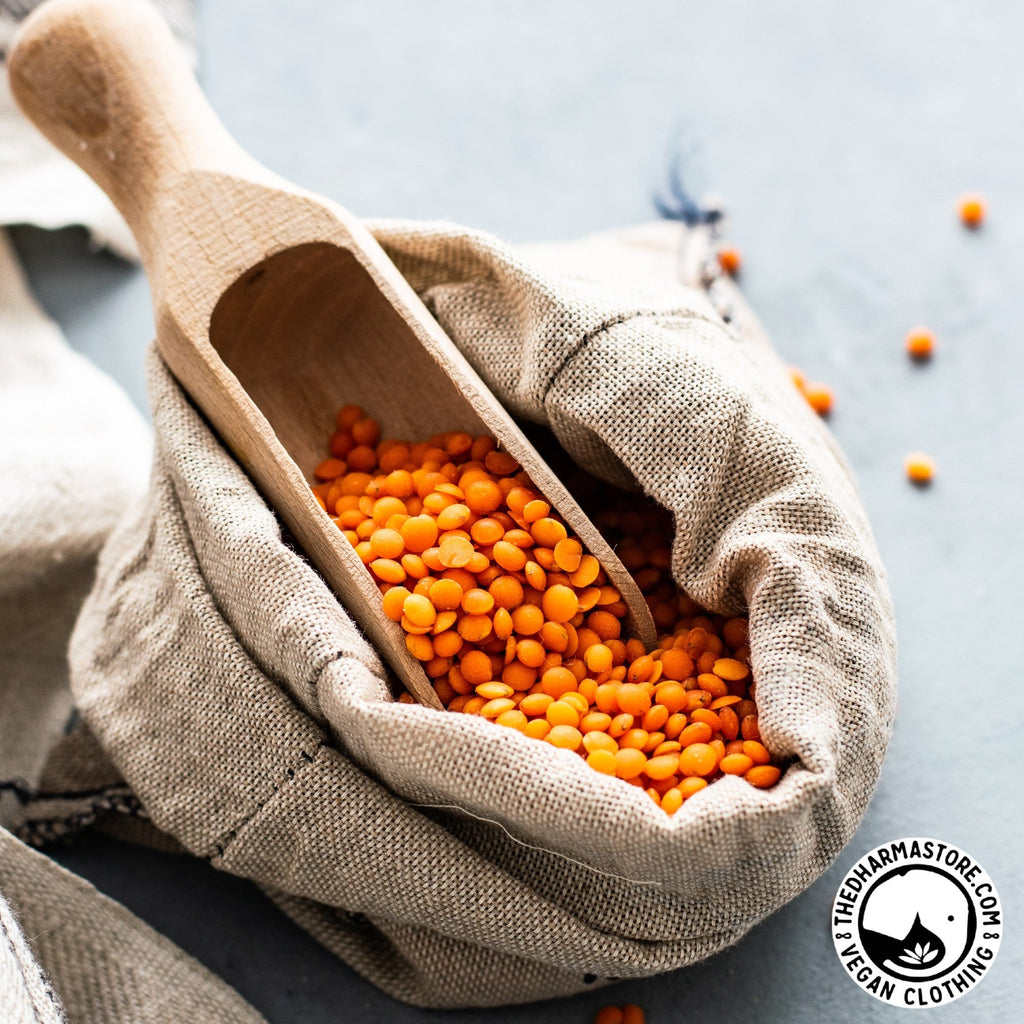
- Lentils
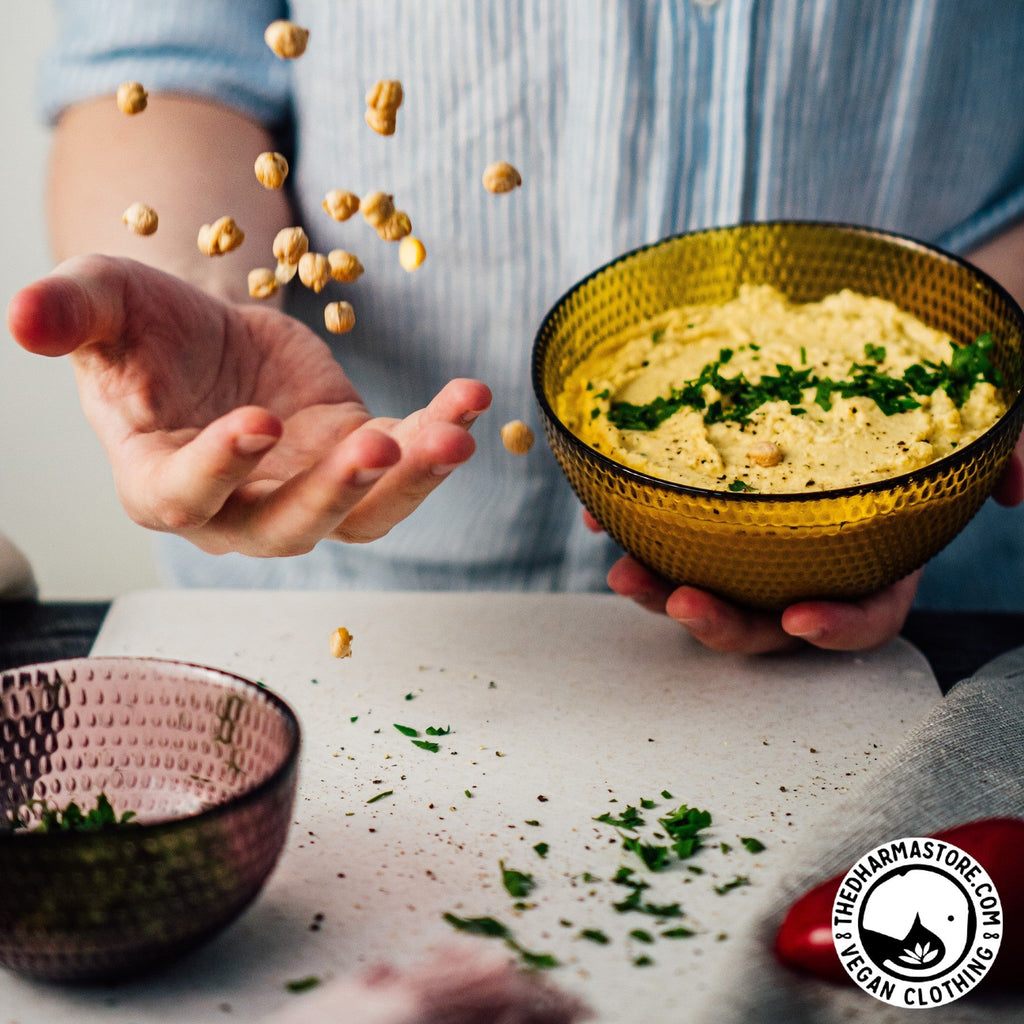
- Chickpeas
- Black beans
- Seitan
- Soy milk
Including a protein source at every meal can significantly improve fullness.
Too Many Refined Carbohydrates
Not all carbohydrates affect hunger the same way.
Foods That Digest Quickly
Examples include:
- White bread
- Sugary cereals
- Refined crackers
- White rice in isolation
- Vegan desserts
These foods can cause rapid digestion and shorter-lasting satiety.
Better Carbohydrate Choices
Choose:
- Oats
- Sweet potatoes
- Quinoa
- Brown rice
- Beans
- Whole-grain bread
Complex carbohydrates digest more slowly and often provide steadier energy.
Meals That Lack Healthy Fats
Healthy fats are often overlooked when discussing vegan nutrition.
Why Fat Supports Satiety
Dietary fat slows digestion and contributes to feelings of fullness.
Very low-fat meals may leave you searching for food sooner than expected.
Excellent Vegan Fat Sources
Include:
- Avocados
- Almonds
- Walnuts
- Chia seeds
- Hemp seeds
- Flaxseeds
- Nut butters
Adding even a small amount can make meals more satisfying.
Fiber Can Be Helpful—But It Isn't Everything
Fiber is often praised for promoting fullness.
While that's true, fiber alone doesn't always solve hunger.
The Fiber Misconception
Some vegan men consume enormous amounts of vegetables but very little protein or fat.
A large salad may create temporary stomach fullness while providing relatively few calories.
The Better Approach
Combine fiber with:
- Protein
- Healthy fats
- Complex carbohydrates
This creates a more balanced meal that supports longer-lasting satisfaction.
You May Be Eating Too Light at Breakfast
Breakfast often sets the tone for the day.
Common Vegan Breakfast Mistakes
Examples include:
- Fruit alone
- Toast with jam
- Small smoothie bowls
- Low-protein cereals
These options may not provide enough staying power.
A More Filling Vegan Breakfast
Try:
- Oatmeal
- Soy milk
- Ground flaxseeds
- Walnuts
- Berries
- Tofu scramble
This combination provides protein, fiber, healthy fats, and complex carbohydrates.
Exercise Can Increase Hunger
Active men often underestimate how much energy they burn.
Activities That Raise Calorie Needs
Examples include:
- Weight training
- Running
- Cycling
- Sports
- Physically demanding jobs
Increased hunger may simply be your body's way of signaling a need for more fuel.
Recovery Nutrition Matters
After exercise, prioritize:
- Protein
- Carbohydrates
- Hydration
Skipping post-workout nutrition may lead to intense hunger later.
Large Blood Sugar Swings Can Trigger Hunger
Blood sugar fluctuations can influence appetite.
What Happens After a High-Sugar Meal
A meal high in refined carbohydrates may:
- Digest rapidly
- Cause energy spikes
- Lead to energy crashes
- Trigger renewed hunger
Building Blood Sugar-Friendly Meals
Aim for:
- Protein
- Fiber
- Healthy fats
- Whole-food carbohydrates
Balanced meals tend to support more stable energy levels.
You're Relying Too Heavily on Processed Vegan Foods
Not all vegan foods support satiety equally.
Common Convenience Foods
Examples include:
- Vegan cookies
- Chips
- Sweetened snack bars
- Refined vegan pastries
These foods often provide calories without offering the nutrient balance needed for lasting fullness.
Whole Foods Usually Perform Better
Meals centered around:
- Legumes
- Whole grains
- Vegetables
- Nuts
- Seeds
typically provide better satiety.
Hydration Can Affect Hunger Signals
Sometimes thirst is mistaken for hunger.
Signs You May Need More Fluids
Look for:
- Dry mouth
- Headaches
- Fatigue
- Dark urine
Practical Tip
Drink water consistently throughout the day instead of waiting until you feel thirsty.
Proper hydration supports overall appetite regulation.
Stress and Sleep Can Influence Hunger
Hunger is not determined solely by food.
Sleep and Appetite
Poor sleep can influence hormones involved in hunger regulation.
This may increase:
- Cravings
- Appetite
- Snacking behavior
Stress and Emotional Eating
Chronic stress can make people feel hungry more often, even when calorie needs are already being met.
Addressing lifestyle factors often improves satiety as much as dietary adjustments.
Common Nutrient Gaps That May Affect Appetite
While hunger is usually related to calories and meal composition, some nutrient deficiencies may contribute to low energy and altered eating patterns.
Iron
Low iron may cause:
- Fatigue
- Weakness
- Reduced exercise capacity
Vitamin B12
Insufficient B12 may contribute to:
- Low energy
- Brain fog
- Reduced vitality
Zinc
Zinc plays a role in appetite regulation and overall health.
A balanced vegan diet should include foods that support adequate intake of all three.
The Most Filling Vegan Foods
If you're constantly hungry, prioritize foods known for their satiety value.
Legumes
Examples include:
- Lentils
- Chickpeas
- Black beans
- Kidney beans
Soy Foods
Include:
- Tofu
- Tempeh
- Edamame
Whole Grains
Focus on:
- Oats
- Quinoa
- Brown rice
- Barley
Nuts and Seeds
Examples include:
- Almonds
- Walnuts
- Pumpkin seeds
- Hemp seeds
Potatoes
Boiled or baked potatoes are surprisingly filling and can help satisfy hunger when paired with protein sources.
Sample High-Satiety Vegan Day
Breakfast
Large bowl of oatmeal with:
- Soy milk
- Chia seeds
- Walnuts
- Berries
Snack
Apple with peanut butter.
Lunch
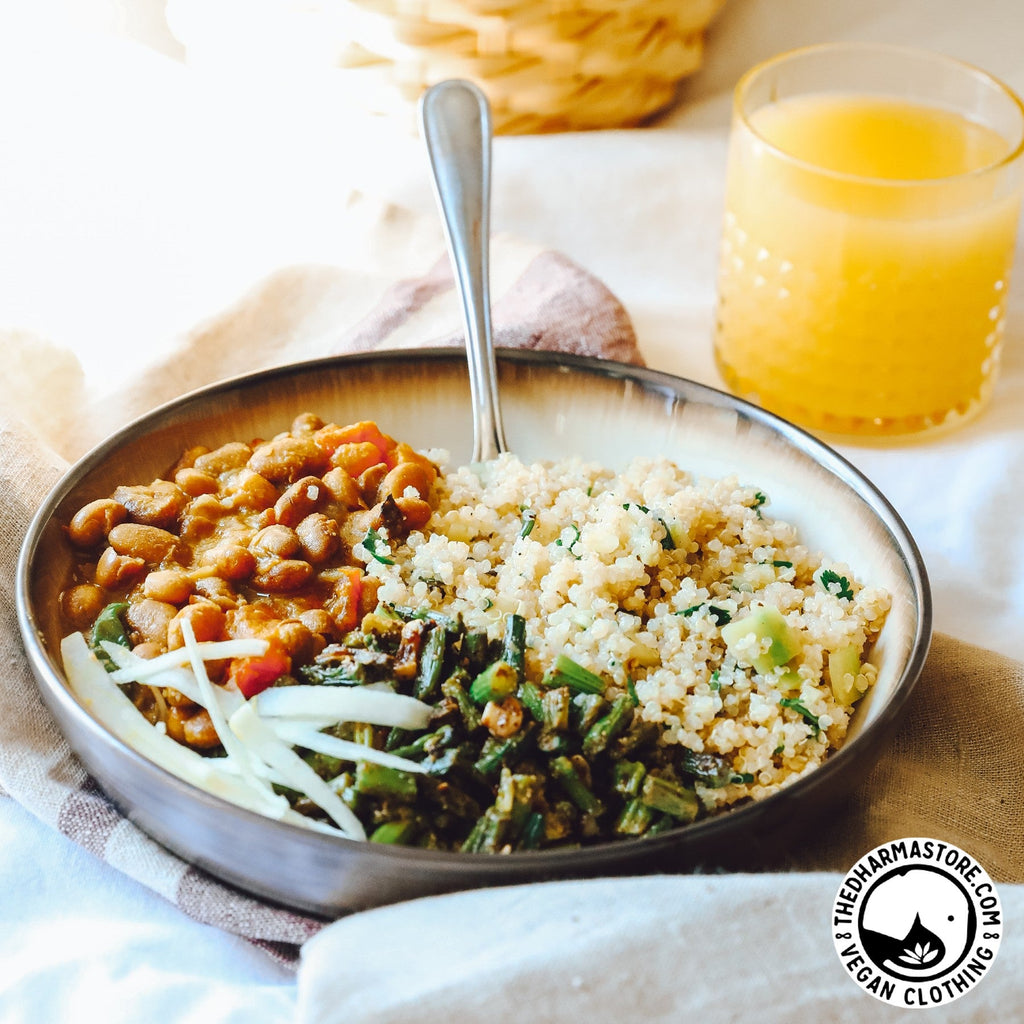
Lentil bowl with:
- Quinoa
- Avocado
- Roasted vegetables
Snack
Roasted edamame and fruit.
Dinner
Tofu stir-fry with:
- Brown rice
- Broccoli
- Cashews
Evening Snack
Whole-grain toast with almond butter.
This approach combines protein, fiber, healthy fats, and adequate calories throughout the day.
Signs You're Simply Not Eating Enough
Many vegan men assume they're overeating because they feel physically full.
Yet calorie intake may still be too low.
Potential signs include:
- Constant hunger
- Unintentional weight loss
- Low energy
- Difficulty building muscle
- Cravings late at night
If several of these apply, increasing meal size may be beneficial.
How to Stay Full Longer on a Vegan Diet
The most effective strategy is balance.
Each meal should ideally contain:
Protein
Examples:
- Lentils
- Tofu
- Tempeh
- Beans
Healthy Fats
Examples:
- Avocado
- Nuts
- Seeds
Fiber-Rich Carbohydrates
Examples:
- Oats
- Quinoa
- Sweet potatoes
Adequate Calories
Even the healthiest meal won't satisfy hunger if it's too small.
Building a More Satisfying Plant-Based Lifestyle
Feeling hungry an hour after eating is not necessarily a problem with veganism. More often, it's a sign that your meals need adjustments in composition, calorie content, or nutrient density.
A well-planned vegan diet can be incredibly satisfying when it includes adequate protein, healthy fats, fiber-rich carbohydrates, and enough overall energy to support your activity level.
Many people who embrace plant-based living value mindfulness and intentional choices in all aspects of life. Communities and brands such as The Dharma Store reflect these values while encouraging compassionate and health-conscious living.
When meals are properly balanced, most vegan men find that hunger becomes more predictable, energy improves, and eating feels far more satisfying throughout the day.
FAQ
Why am I hungry an hour after eating on a vegan diet?
The most common reasons include insufficient protein, low calorie intake, inadequate healthy fats, high intake of refined carbohydrates, or increased activity levels.
What vegan foods keep you full the longest?
Lentils, beans, tofu, tempeh, oats, quinoa, potatoes, nuts, seeds, and avocados are among the most filling vegan foods.
Can protein help reduce hunger on a vegan diet?
Yes. Protein is one of the most satiating nutrients and may help you stay full longer between meals.
Why do salads leave me hungry?
Many salads are low in calories and protein. Adding beans, tofu, nuts, seeds, and avocado can improve satiety significantly.
Do vegan men need more calories than they think?
Often, yes. Active men and those with greater muscle mass frequently underestimate their calorie requirements.
How can I stop feeling hungry all the time on a vegan diet?
Focus on balanced meals that include protein, healthy fats, complex carbohydrates, fiber, and adequate overall calories.
The information in this article is for educational purposes only and should not be considered medical advice. Always consult a qualified healthcare professional regarding dietary or health concerns.
Signs Your Vegan Diet Is Too Low in Manganese: Symptoms, Causes, and How to Fix It
When people discuss nutrient deficiencies on a vegan diet, the conversation usually focuses on vitamin B12, iron, calcium, or omega-3 fats. Yet there are other minerals that quietly support critical functions throughout the body. One of those is manganese.
Manganese is a trace mineral that plays an important role in metabolism, bone development, antioxidant defenses, wound healing, and connective tissue formation. Although true manganese deficiency is uncommon, it can occur when dietary variety is limited, food choices become overly restrictive, or overall nutrient intake is inadequate.
Understanding the signs your vegan diet is too low in manganese can help you identify potential nutritional gaps before they begin affecting your energy, recovery, and overall health.
The encouraging news is that manganese is found in many plant foods. Most well-balanced vegan diets provide sufficient amounts, but certain eating patterns may increase the risk of inadequate intake.
This guide explores the symptoms, causes, risk factors, and best plant-based strategies for maintaining healthy manganese levels.
What Is Manganese and Why Does Your Body Need It?
Manganese is an essential trace mineral required in small amounts.
Despite being needed in relatively low quantities, it participates in numerous biological processes throughout the body.
Key functions of manganese include:
- Supporting bone formation
- Assisting metabolism of carbohydrates and fats
- Contributing to connective tissue production
- Supporting wound healing
- Helping antioxidant enzymes function properly
- Participating in nervous system processes
Without adequate manganese, several systems may not function optimally.
Can Vegan Diets Be Low in Manganese?
Ironically, vegan diets are often rich in manganese because many plant foods naturally contain it.
Foods such as:
- Whole grains
- Nuts
- Seeds
- Legumes
- Leafy greens
- Tea
are excellent sources.
However, certain vegan eating patterns may lead to lower intake.
Examples include:
- Highly processed vegan diets
- Extremely restrictive diets
- Very low-calorie diets
- Diets lacking whole grains and legumes
- Long-term avoidance of nuts and seeds
When dietary variety decreases, manganese intake may gradually fall below optimal levels.
Early Signs Your Vegan Diet Is Too Low in Manganese
Because manganese deficiency develops gradually, symptoms are often subtle at first.
Many people attribute these changes to stress, aging, or lack of sleep.
Persistent Fatigue
One of the earliest signs may be ongoing fatigue.
Manganese participates in energy metabolism, helping the body process nutrients into usable energy.
When intake becomes insufficient, some people may notice:
- Lower stamina
- Reduced endurance
- Increased tiredness
- Difficulty recovering after physical activity
Fatigue alone does not automatically indicate manganese deficiency, but it can be one piece of the puzzle.
Slower Recovery From Exercise
If your workouts suddenly feel more demanding than usual, nutrient intake may be worth evaluating.
Manganese contributes to antioxidant processes that help protect cells from oxidative stress.
Potential signs include:
- Increased soreness
- Longer recovery periods
- Reduced exercise performance
- Feeling physically drained
Athletes and highly active individuals may notice these changes sooner.
Bone and Joint Issues May Develop Over Time
Manganese contributes to bone formation and connective tissue health.
Increased Joint Discomfort
Although many factors influence joint health, inadequate manganese intake may affect connective tissues over time.
Possible symptoms include:
- Mild joint stiffness
- Reduced flexibility
- General discomfort during movement
These symptoms are usually influenced by multiple nutritional and lifestyle factors rather than manganese alone.
Reduced Bone Support
Manganese works alongside nutrients such as:
- Calcium
- Magnesium
- Vitamin D
- Phosphorus
to support skeletal health.
Chronically low intake may contribute to long-term bone concerns if combined with other nutrient deficiencies.
Changes in Skin and Wound Healing
Healthy skin depends on many nutrients working together.
Slower Wound Healing
Manganese helps support collagen production and tissue repair.
Some individuals with low intake may notice:
- Minor cuts healing more slowly
- Longer recovery from skin irritation
- Delayed tissue repair
Skin Quality Changes
Although less common, inadequate mineral intake overall may contribute to:
- Dry skin
- Reduced skin resilience
- Dull-looking skin
These symptoms should always be evaluated in the context of overall nutrition.
Blood Sugar Regulation Concerns
Manganese plays a role in carbohydrate metabolism.
Energy Fluctuations
Some people with inadequate intake may experience:
- Midday energy crashes
- Difficulty maintaining steady energy
- Increased feelings of sluggishness
Again, many factors influence blood sugar regulation, including sleep, exercise, calorie intake, and overall diet quality.
Poor Diet Variety Is a Major Risk Factor
The biggest risk factor for low manganese intake is not veganism itself.
Instead, it is dietary monotony.
Example of a Low-Manganese Vegan Diet
A restrictive eating pattern centered around:
- White bread
- Vegan processed foods
- Sugary snacks
- Meat substitutes
- Limited vegetables
may provide fewer trace minerals than expected.
Example of a Higher-Manganese Vegan Diet
A nutrient-dense vegan diet often includes:
- Oats
- Brown rice
- Lentils
- Chickpeas
- Pumpkin seeds
- Almonds
- Spinach
This pattern naturally supplies significantly more manganese.
The Best Vegan Foods for Manganese
Fortunately, many plant foods contain substantial amounts of manganese.
Whole Grains
Whole grains are among the richest sources.
Examples include:
- Oats
- Brown rice
- Quinoa
- Whole wheat
- Barley
Replacing refined grains with whole grains can increase manganese intake considerably.
Nuts
Several nuts provide meaningful amounts.
Top options include:
- Pecans
- Hazelnuts
- Almonds
- Walnuts
Adding a handful daily can support overall mineral intake.
Seeds
Seeds offer concentrated nutrition.
Excellent choices include:
- Pumpkin seeds
- Hemp seeds
- Sesame seeds
- Flaxseeds
- Chia seeds
They are easy to incorporate into smoothies, oatmeal, and salads.
Legumes
Legumes remain nutritional powerhouses.
Good sources include:
- Lentils
- Black beans
- Chickpeas
- Kidney beans
- Split peas
They provide manganese alongside protein, fiber, and iron.
Leafy Greens
Dark leafy greens contain a variety of essential nutrients.
Focus on:
- Spinach
- Kale
- Swiss chard
- Collard greens
These foods support overall nutrient density.
Other Nutrients Often Overlap With Low Manganese Intake
People who consume too little manganese may also fall short in other important nutrients.
Magnesium
Low intake may contribute to:
- Fatigue
- Muscle tension
- Poor recovery
Zinc
Zinc supports:
- Immune function
- Tissue repair
- Cellular health
Iron
Iron deficiency is one of the most common nutrient concerns among women following plant-based diets.
Symptoms may include:
- Fatigue
- Weakness
- Reduced exercise capacity
Looking at the entire dietary pattern is often more useful than focusing on a single nutrient.
How Much Manganese Do Adults Need?
Manganese requirements are relatively modest.
General recommendations for adults typically range between:
- Approximately 1.8 mg per day for women
- Approximately 2.3 mg per day for men
Many whole-food vegan diets exceed these levels naturally.
Problems are more likely when dietary variety becomes limited.
Signs Your Vegan Diet May Need More Nutrient Diversity
Certain clues suggest your eating pattern could benefit from greater variety.
You Eat the Same Foods Every Day
Rotating food choices increases exposure to different nutrients.
You Avoid Nuts and Seeds
These foods provide multiple trace minerals, including manganese.
Most Meals Come From Packages
Convenience foods can be helpful occasionally, but they often contain fewer micronutrients than whole foods.
You Rarely Eat Legumes
Beans and lentils remain among the most nutrient-dense foods available.
Practical Ways to Increase Manganese Intake
Improving manganese intake does not require complicated meal plans.
Start the Day With Oats
A bowl of oatmeal topped with walnuts and berries provides several important nutrients.
Add Seeds to Meals
Sprinkle:
- Chia seeds
- Hemp seeds
- Pumpkin seeds
onto salads, yogurt alternatives, or smoothie bowls.
Choose Brown Rice Instead of White Rice
Whole grains generally contain more manganese than refined grains.
Eat Legumes Daily
Aim to include:
- Lentils
- Beans
- Chickpeas
at least once daily.
Build Colorful Plant-Based Plates
Combining grains, legumes, vegetables, nuts, and seeds naturally improves mineral intake.
Sample High-Manganese Vegan Meal Plan
Breakfast
Oatmeal with:
- Ground flaxseeds
- Almonds
- Blueberries
Snack
Apple with almond butter.
Lunch
Lentil bowl with:
- Brown rice
- Spinach
- Pumpkin seeds
Snack
Trail mix containing walnuts and pecans.
Dinner
Chickpea curry served with quinoa and steamed kale.
This approach provides manganese while also supporting intake of fiber, protein, iron, and magnesium.
Can You Take a Manganese Supplement?
Most people do not need manganese supplements.
Whole foods generally provide adequate amounts.
Excessive supplementation may lead to problems because manganese can accumulate in the body when consumed in very large amounts.
For this reason, supplements should only be considered under professional guidance.
Supporting Long-Term Health on a Vegan Diet
A healthy vegan diet is about more than avoiding animal products.
It involves creating a nutrient-rich eating pattern that consistently provides essential vitamins and minerals.
Manganese rarely receives the same attention as iron or vitamin B12, but it remains an important contributor to:
- Bone health
- Connective tissue formation
- Antioxidant protection
- Energy metabolism
Many people who embrace plant-based living also value mindfulness, intentional choices, and compassionate living. Brands such as The Dharma Store reflect these principles while encouraging thoughtful approaches to health and wellness.
When your diet includes a wide range of whole plant foods, obtaining adequate manganese becomes far easier and supports overall nutritional balance.
FAQ
What are the signs of low manganese on a vegan diet?
Potential signs include fatigue, slower exercise recovery, joint discomfort, poor wound healing, and reduced overall vitality. These symptoms are not specific to manganese deficiency and may have multiple causes.
Is manganese deficiency common in vegans?
No. Most balanced vegan diets naturally provide adequate manganese because many plant foods are rich sources of this mineral.
What vegan foods contain the most manganese?
Excellent sources include oats, brown rice, pecans, almonds, pumpkin seeds, lentils, chickpeas, spinach, and whole grains.
Can low manganese cause fatigue?
Manganese plays a role in energy metabolism, so inadequate intake may contribute to feelings of fatigue and reduced stamina in some individuals.
Do I need a manganese supplement on a vegan diet?
Most vegans can meet their manganese needs through food alone. Supplements are generally unnecessary unless recommended by a healthcare professional.
How can I increase manganese naturally?
Focus on eating more whole grains, legumes, nuts, seeds, and leafy greens. These foods provide manganese along with many other beneficial nutrients.
The information in this article is for educational purposes only and should not be considered medical advice. Always consult a qualified healthcare professional regarding dietary or health concerns.
Why Vegan Women Feel Tired After Sleeping Eight Hours: Common Causes and Plant-Based Solutions
You go to bed at a reasonable hour. You sleep for eight hours. Yet when the alarm goes off, you still feel exhausted.
If this sounds familiar, you're not alone. Many women following a plant-based lifestyle wonder why they wake up tired despite getting what should be enough sleep. It's frustrating to invest time in rest and still feel like your energy tank is running on empty.
When discussing why vegan women feel tired after sleeping eight hours, it's important to understand that sleep duration is only one piece of the puzzle. Fatigue can be influenced by nutrient intake, sleep quality, hydration, hormone fluctuations, stress levels, physical activity, and overall dietary balance.
A well-planned vegan diet can provide excellent nutrition and support long-term health. However, certain nutrient gaps and lifestyle factors can contribute to persistent tiredness if they aren't addressed.
The good news is that identifying the underlying causes often provides a clear path toward improving energy levels and helping you wake up feeling more refreshed.
Is Eight Hours of Sleep Always Enough?
Many people assume that eight hours automatically guarantees good energy.
In reality, sleep quantity and sleep quality are different things.
You may spend eight hours in bed but still experience:
- Frequent awakenings
- Poor sleep efficiency
- Disrupted sleep cycles
- Insufficient deep sleep
- Inadequate recovery
As a result, fatigue can persist despite meeting commonly recommended sleep durations.
Why Fatigue Is Commonly Misunderstood
Fatigue is often blamed on a lack of sleep.
While sleep deprivation certainly causes tiredness, ongoing fatigue can also be linked to:
- Nutrient deficiencies
- Hormonal changes
- Chronic stress
- Low calorie intake
- Dehydration
- Poor blood sugar balance
- Medical conditions
Understanding these factors is essential when evaluating low energy on a vegan diet.
Iron Deficiency Is One of the Most Common Causes
Iron plays a crucial role in oxygen transport throughout the body.
Why Iron Matters
Iron helps red blood cells carry oxygen to tissues and organs.
When iron levels become too low, symptoms may include:
- Fatigue
- Weakness
- Brain fog
- Reduced exercise performance
- Difficulty concentrating
Women are particularly vulnerable because menstrual blood loss increases iron requirements.
Vegan Sources of Iron
Plant-based sources include:
- Lentils
- Chickpeas
- Black beans
- Tofu
- Pumpkin seeds
- Quinoa
Improving Iron Absorption
Combining iron-rich foods with vitamin C sources may support absorption.
Examples include:
- Lentils with bell peppers
- Beans with tomatoes
- Tofu with broccoli
- Oatmeal with strawberries
Vitamin B12 and Persistent Fatigue
Vitamin B12 is one of the most important nutrients for vegan women to monitor.
What B12 Does
Vitamin B12 supports:
- Energy metabolism
- Nervous system function
- Cognitive performance
- Red blood cell production
Signs of Low B12 Status
Potential symptoms include:
- Fatigue
- Brain fog
- Weakness
- Poor concentration
- Low motivation
Since reliable plant sources are limited, many vegan women depend on fortified foods or supplements to meet their needs.
Not Eating Enough Calories
Many women unintentionally under-eat when transitioning to a plant-based diet.
Whole plant foods are often high in fiber and very filling.
Signs of Inadequate Calorie Intake
Common indicators include:
- Persistent fatigue
- Feeling cold
- Increased hunger
- Reduced workout performance
- Low energy throughout the day
Why Calories Matter
The body requires adequate energy to support:
- Hormone production
- Brain function
- Physical activity
- Recovery
Even nutrient-dense foods cannot fully compensate for chronically inadequate calorie intake.
Low Protein Intake and Energy Levels
Protein does much more than support muscle growth.
Why Protein Is Important
Protein provides amino acids used throughout the body for:
- Tissue repair
- Recovery
- Hormone production
- Enzyme function
While many vegan diets contain enough protein, some women consume less than they realize.
High-Protein Vegan Foods
Consider including:
- Tofu
- Tempeh
- Edamame
- Lentils
- Chickpeas
- Seitan
- Soy milk
Including protein at every meal may help support sustained energy.
Poor Sleep Quality Despite Sleeping Long Enough
Many people focus on sleep duration while overlooking sleep quality.
Common Sleep Disruptors
Examples include:
- Stress
- Anxiety
- Alcohol
- Late caffeine consumption
- Irregular sleep schedules
- Excess screen time before bed
Signs of Poor Sleep Quality
You may:
- Wake frequently
- Feel unrefreshed
- Struggle to concentrate
- Need excessive caffeine
Improving sleep quality often produces greater benefits than simply spending more time in bed.
Magnesium and Relaxation
Magnesium is involved in hundreds of processes throughout the body.
Why Magnesium Matters
Magnesium supports:
- Muscle relaxation
- Nervous system function
- Sleep quality
- Energy production
Low intake may contribute to:
- Fatigue
- Poor sleep
- Muscle tension
Magnesium-Rich Vegan Foods
Good options include:
- Pumpkin seeds
- Almonds
- Cashews
- Black beans
- Spinach
- Edamame
Dehydration Can Cause Morning Fatigue
Hydration plays a larger role in energy than many people realize.
What Happens Overnight
The body loses fluids through:
- Breathing
- Perspiration
- Metabolic processes
If you begin the night mildly dehydrated, fatigue may be more noticeable in the morning.
Signs of Dehydration
Look for:
- Dark urine
- Dry mouth
- Headaches
- Dizziness
- Reduced concentration
Consistent hydration throughout the day is more effective than trying to catch up all at once.
Blood Sugar Fluctuations and Energy Crashes
What you eat during the day influences how you feel the next morning.
Unbalanced Meals May Lead To
- Energy crashes
- Hunger
- Fatigue
- Cravings
Building Balanced Vegan Meals
Include:
- Protein
- Fiber
- Healthy fats
- Complex carbohydrates
Examples include:
- Oatmeal with walnuts and flaxseeds
- Lentil bowls with avocado
- Tofu stir-fries with brown rice
Balanced meals help support more stable energy levels.
Hormonal Changes Can Affect Energy
Women's energy levels naturally fluctuate throughout the menstrual cycle.
Premenstrual Fatigue
Many women notice:
- Increased tiredness
- Reduced motivation
- Mood changes
- Increased cravings
during the days leading up to menstruation.
Perimenopause and Menopause
Hormonal transitions may also affect:
- Sleep quality
- Energy levels
- Recovery
These changes can contribute to waking up tired even when sleep duration appears adequate.
Chronic Stress and Nervous System Fatigue
Stress has a powerful influence on energy levels.
How Stress Impacts Sleep
Chronic stress may contribute to:
- Difficulty falling asleep
- Frequent waking
- Mental exhaustion
- Reduced recovery
Common Signs
You may notice:
- Irritability
- Brain fog
- Feeling overwhelmed
- Difficulty relaxing
Addressing stress often improves both sleep and daytime energy.
Omega-3 Fatty Acids and Brain Function
Omega-3 fats support overall neurological health.
Vegan Sources
Include:
- Flaxseeds
- Chia seeds
- Hemp seeds
- Walnuts
Why They Matter
These foods contribute important nutrients that support overall wellness and may help maintain healthy cognitive function.
Vitamin D and Low Energy
Vitamin D is involved in multiple biological processes.
Potential Signs of Low Vitamin D
Some individuals experience:
- Fatigue
- Reduced physical performance
- General feelings of low energy
Vegan Sources
Options include:
- Fortified plant milks
- Fortified foods
- Supplements when appropriate
Sun exposure may also contribute to vitamin D production.
Common Mistakes Vegan Women Make When Addressing Fatigue
Assuming More Sleep Is the Solution
Sometimes the issue is not sleep duration but nutrition, stress, or sleep quality.
Skipping Meals
Long gaps between meals may lead to energy crashes and increased fatigue.
Avoiding Healthy Fats
Healthy fats contribute to satiety and overall nutritional balance.
Relying Heavily on Processed Foods
Convenience foods may not provide the nutrient density needed to support optimal energy.
Sample Day of Eating for Better Energy
Breakfast
Oatmeal with:
- Ground flaxseeds
- Walnuts
- Blueberries
- Fortified soy milk
Lunch
Lentil and quinoa bowl with kale and avocado.
Snack
Apple slices with almond butter.
Dinner
Tofu stir-fry with broccoli, carrots, and brown rice.
Evening Snack
Pumpkin seeds and fruit.
This meal pattern provides protein, fiber, healthy fats, vitamins, and minerals that support sustained energy.
When Fatigue Deserves Medical Attention
Persistent fatigue should not always be attributed to diet.
Consider speaking with a healthcare professional if you experience:
- Severe exhaustion
- Shortness of breath
- Dizziness
- Unexplained weight changes
- Ongoing weakness
- Symptoms that continue despite dietary improvements
A proper evaluation can help identify underlying causes.
Building a Vegan Lifestyle That Supports Lasting Energy
Feeling tired after sleeping eight hours is often the result of multiple factors working together rather than a single deficiency.
For many vegan women, energy improves when they focus on:
- Adequate calorie intake
- Sufficient protein
- Iron-rich foods
- Vitamin B12 intake
- Hydration
- Stress management
- High-quality sleep
The goal is not simply getting more sleep but creating conditions that allow the body to recover effectively.
Many people are drawn to plant-based living because it aligns with values of mindfulness, compassion, and intentional health choices. Communities and brands such as The Dharma Store reflect these principles while encouraging a thoughtful approach to wellness and ethical living.
When nutrition, recovery, and lifestyle habits work together, waking up refreshed becomes much more achievable.
FAQ
Why do vegan women feel tired after sleeping eight hours?
Common causes include iron deficiency, low vitamin B12 intake, inadequate calories, poor sleep quality, dehydration, stress, and hormonal fluctuations.
Can a vegan diet cause fatigue?
A poorly planned vegan diet may contribute to fatigue if it lacks sufficient calories, protein, iron, vitamin B12, or other essential nutrients.
What deficiency causes tiredness in vegan women?
Iron deficiency and low vitamin B12 status are among the most common nutrient-related causes of fatigue in vegan women.
How can vegan women improve energy levels naturally?
Eating balanced meals, consuming adequate protein, monitoring iron and B12 intake, staying hydrated, managing stress, and prioritizing sleep quality can all help support energy.
What are the best vegan foods for fighting fatigue?
Lentils, tofu, pumpkin seeds, quinoa, oats, edamame, walnuts, leafy greens, and fortified plant milks are excellent nutrient-rich choices.
Should I be concerned if I feel tired every morning?
Persistent fatigue deserves attention, especially if it interferes with daily life or continues despite healthy lifestyle habits. Consulting a healthcare professional may help identify the underlying cause.
The information in this article is for educational purposes only and should not be considered medical advice. Always consult a qualified healthcare professional regarding dietary or health concerns.